Construction projects rarely fall behind because of a lack of effort. More often, delays occur when critical resources are unavailable at the right time. Equipment is one of the most important resources on any jobsite, and poor scheduling can lead to costly downtime, idle labor, missed deadlines, and budget overruns.
Whether you're managing a commercial construction project, land-clearing operation, utility installation, or site development project, having the right machine available exactly when needed can dramatically improve efficiency. Rental equipment provides flexibility, but successful results depend on proper planning and scheduling.
For contractors throughout Georgia and Alabama, equipment rental has become a practical way to access modern machinery without the financial burden of ownership. However, simply renting equipment is not enough. Strategic scheduling ensures that excavators, skid steers, dozers, telehandlers, and other machines contribute maximum value throughout the project lifecycle.
Why Equipment Scheduling Matters More Than Ever
Modern construction schedules are tighter than ever. Labor shortages, material delivery challenges, and increasing project complexity make efficient equipment utilization essential.
When equipment arrives too early, contractors pay for idle machines. When it arrives too late, crews sit waiting and productivity suffers.
Successful scheduling helps contractors:
- Reduce equipment idle time
- Improve labor productivity
- Lower rental costs
- Avoid project delays
- Improve jobsite safety
- Increase overall profitability
Companies that develop proactive scheduling processes consistently outperform those that rely on last-minute equipment requests.
Understanding Equipment Requirements Before the Project Begins
The best scheduling starts long before equipment arrives on site.
Project managers should evaluate:
- Project scope
- Site conditions
- Timeline requirements
- Crew size
- Material handling needs
- Excavation volumes
- Access restrictions
This assessment helps identify exactly which machines will be needed and when.
Contractors planning earthmoving operations often benefit from reviewing machine selection strategies discussed in Choosing the Right Equipment for Your Construction Project .
Proper planning eliminates many scheduling conflicts before construction even begins.
Building an Equipment Timeline
Rather than treating equipment needs as a single event, successful contractors create detailed equipment timelines.
A typical project may require:
Site Preparation Phase
- Dozers
- Excavators
- Skid steers
Utility Installation Phase
- Excavators
- Compaction equipment
Structural Construction Phase
- Telehandlers
- Material handling equipment
Final Grading Phase
- Compact equipment
- Loaders
By aligning equipment deliveries with each project phase, contractors minimize rental duration while maximizing utilization.
Avoiding Common Scheduling Mistakes
Many construction delays stem from predictable scheduling errors.
Booking Equipment Too Late
High-demand equipment may not always be immediately available.
Popular rentals often include:
- Mini excavators
- Telehandlers
- Skid steers
- Compact track loaders
Early reservations improve availability and often provide more rental flexibility.
Overestimating Equipment Needs
Some contractors rent larger fleets than necessary.
While having extra equipment may seem beneficial, unused machines increase costs without adding productivity.
Ignoring Site Conditions
Unexpected ground conditions frequently alter equipment requirements.
Contractors should build contingency plans into scheduling strategies to accommodate changing jobsite conditions.
Coordinating Multiple Machines Efficiently
Many projects require several pieces of equipment working together.
For example:
- Excavators perform digging.
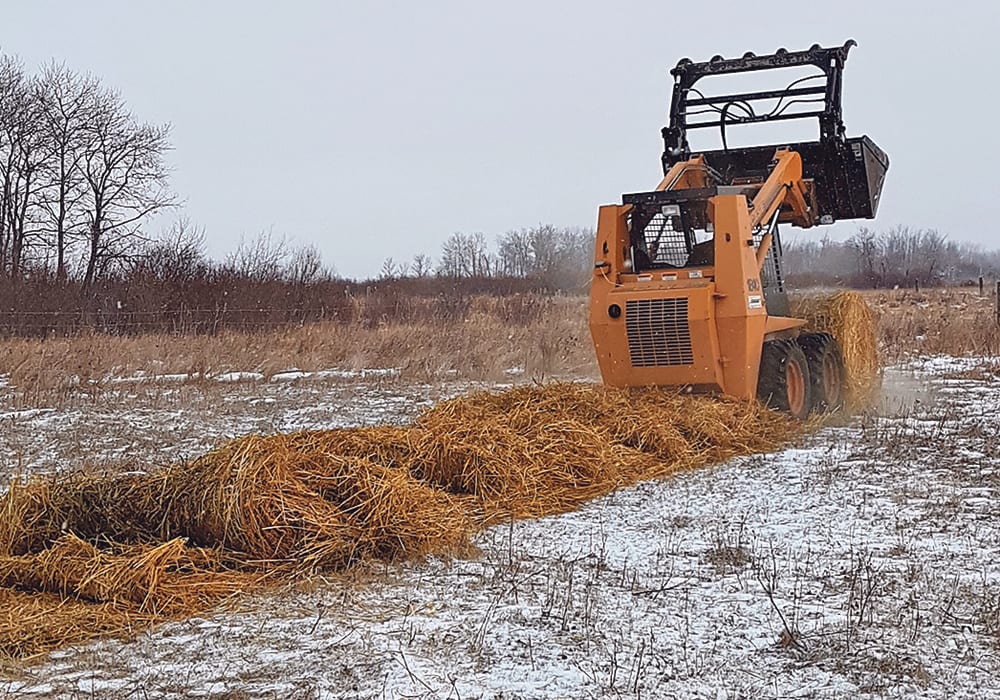
- Skid steers transport materials.
- Telehandlers move supplies.
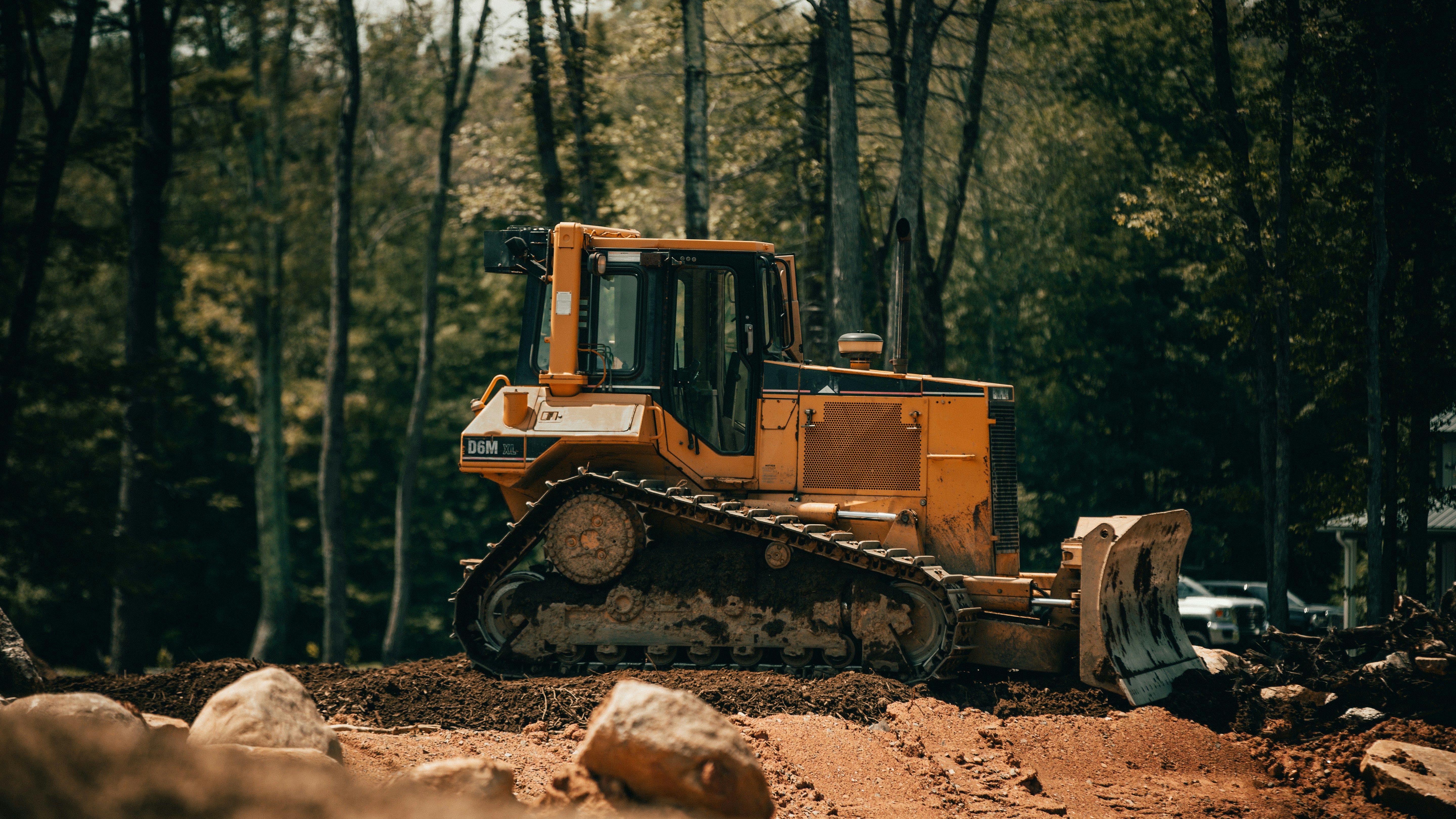
- Dozers handle grading.
Poor coordination creates bottlenecks where one machine waits for another to complete its task.
Creating equipment dependency schedules helps maintain continuous workflow throughout the project.
The Role of Equipment Rental Partners
An experienced rental provider does more than supply machinery.
Reliable rental partners help contractors:
- Select proper equipment
- Coordinate deliveries
- Adjust schedules as projects change
- Provide technical support
- Replace equipment when needed
Contractors working with knowledgeable rental specialists often avoid many common scheduling challenges.
The value of responsive local support is discussed further in How Local Equipment Rental Teams Solve Problems Faster .
Scheduling Equipment for Land Clearing Projects
Land-clearing projects often involve rapidly changing conditions.
Weather, vegetation density, and terrain can all influence equipment requirements.
Successful scheduling typically involves:
- Initial clearing equipment
- Excavators for stump removal
- Dozers for grading
- Hauling equipment
Contractors preparing sites for construction can benefit from strategies outlined in How to Prep Your Land for Building Equipment Rental Guide .
Proper sequencing minimizes delays between project stages.
Using Mini Excavators for Flexible Scheduling
Mini excavators offer unique advantages for contractors managing multiple small projects simultaneously.
Benefits include:
- Easier transportation
- Lower operating costs
- Quick deployment
- Access to confined spaces
For projects requiring flexibility, contractors often rotate mini excavators between jobsites to maximize utilization.
Additional equipment comparisons can be found in Mini Excavators for Georgia: Compact vs Standard .Reducing Downtime Through Preventative Planning
Equipment downtime creates ripple effects across entire projects.
Preventative scheduling includes:
- Maintenance coordination
- Backup equipment planning
- Delivery verification
- Fuel management
- Operator availability confirmation
Combining scheduling with maintenance planning significantly improves project reliability.Contractors can learn more from Preventative Maintenance and Heavy Equipment Downtime
Seasonal Construction Scheduling Challenges
Georgia and Alabama contractors face unique weather-related challenges.
Seasonal factors include:
Spring
- Increased demand for excavation equipment
- Site preparation activity
Summer
- High construction volume
- Equipment shortages during peak demand
Fall
- Infrastructure projects accelerate
Winter
- Variable weather impacts scheduling
Contractors who reserve equipment well in advance often gain access to preferred machinery during peak seasons.
Matching Equipment Size to Project Requirements
One of the most common scheduling inefficiencies involves renting equipment that is either too large or too small.
Oversized machines may:
- Increase rental expenses
- Create transportation challenges
- Reduce maneuverability
Undersized equipment may:
- Extend project timelines
- Increase labor costs
- Require additional rental periods
Careful project assessment helps ensure optimal machine selection.
For additional guidance, contractors can review Choose the Right Heavy Equipment
Improving Productivity Through Equipment Availability
Crews work most efficiently when equipment is consistently available.
Benefits include:
- Continuous workflow
- Higher production rates
- Better crew morale
- Reduced overtime
Rather than reacting to equipment shortages, proactive scheduling ensures machines arrive before crews need them.
This approach keeps projects moving efficiently from start to finish.
Technology and Modern Equipment Scheduling
Today's contractors increasingly use software tools to manage equipment scheduling.
Benefits include:
- Real-time equipment tracking
- Utilization reporting
- Maintenance alerts
- Delivery coordination
- Resource forecasting
Digital scheduling systems help contractors make informed decisions while reducing scheduling conflicts.
Rental vs Ownership Scheduling Advantages
Owned equipment often sits idle between projects.
Rental equipment provides flexibility because contractors can:
- Scale fleets up or down
- Match equipment to specific tasks
- Avoid long-term ownership costs
- Access newer technology
The financial considerations behind these decisions are explored in Heavy Equipment Rental vs Purchase
For many contractors, rental scheduling creates a more efficient use of capital.
Managing Multiple Jobsites Simultaneously
Growing contractors often operate several projects at once.
Equipment scheduling becomes increasingly important when:
- Sharing machinery across jobsites
- Coordinating transportation
- Managing operator availability
- Tracking utilization
Centralized scheduling helps ensure resources are allocated where they create the greatest value.
Emergency Equipment Needs and Contingency Planning
Unexpected situations can quickly disrupt project schedules.
Examples include:
- Equipment breakdowns
- Severe weather
- Scope changes
- Accelerated deadlines
Having access to a reliable rental partner allows contractors to quickly secure replacement equipment when needed.
This flexibility helps projects stay on schedule despite unforeseen challenges.
How Rental Scheduling Supports Project Profitability
Every day of unnecessary equipment rental increases project costs.
Strategic scheduling helps contractors:
- Minimize rental durations
- Reduce idle equipment expenses
- Improve equipment utilization
- Increase project efficiency
- Protect profit margins
When equipment arrives at the correct time and remains productive throughout the rental period, contractors achieve greater return on investment.
Supporting Growth Through Smarter Equipment Planning
As construction businesses expand, scheduling becomes a competitive advantage.
Organizations that consistently manage equipment resources effectively can:
- Complete more projects annually
- Improve customer satisfaction
- Reduce operating costs
- Scale operations efficiently
Equipment scheduling is no longer simply an administrative task. It is a critical business strategy that directly impacts productivity and profitability.
Conclusion
Successful construction projects depend on having the right equipment available at the right time. Strategic rental equipment scheduling helps contractors reduce downtime, improve productivity, control costs, and meet project deadlines.
By planning equipment requirements early, coordinating project phases carefully, leveraging experienced rental partners, and using modern scheduling tools, contractors throughout Georgia and Alabama can achieve more predictable project outcomes.
LiveOak Equipment supports contractors with reliable rental solutions, responsive service, and a diverse fleet designed to meet the demands of construction, land-clearing, infrastructure, and site development projects. With proper scheduling and the right equipment partner, every project gains a stronger foundation for success.