Property owners across West Georgia and East Alabama managing acreage beyond a standard residential lot eventually face the same equipment question: does a farm tractor or a skid steer make more sense for ongoing property maintenance. Both machines handle a wide range of tasks, both show up regularly on rural and semi-rural properties, and both have genuine strengths that make them the better choice depending on what kind of maintenance work a property actually demands.
Understanding What Each Machine Was Built to Do
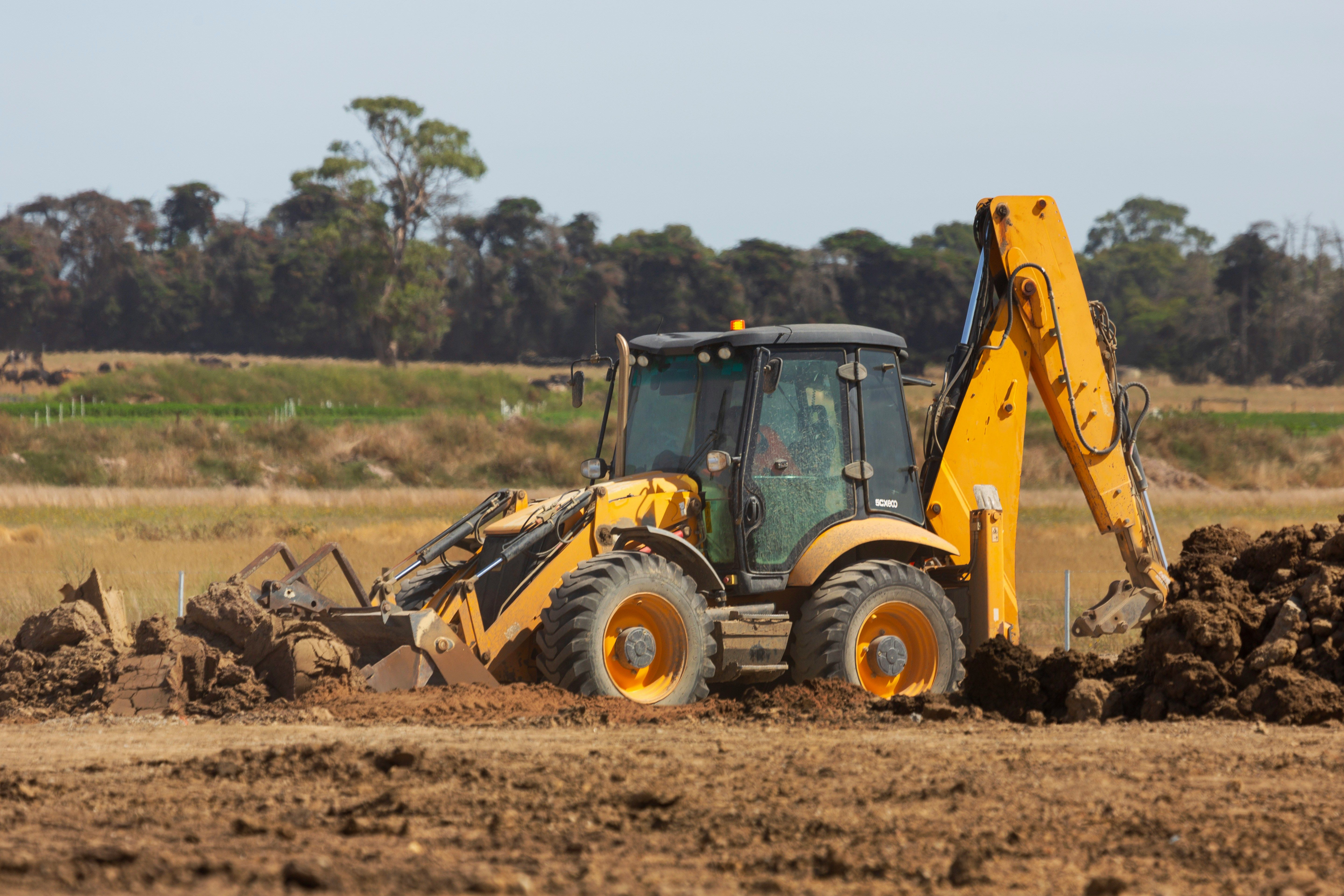
Farm tractors were designed first and foremost around drawbar power and PTO-driven implements, pulling mowers, tillers, box blades, and a wide range of attachments that connect through a three-point hitch and draw power from the tractor's power takeoff shaft. This design heritage makes tractors particularly effective at large-area mowing, tilling, and towing tasks where sustained pulling power across open ground matters more than tight maneuverability.
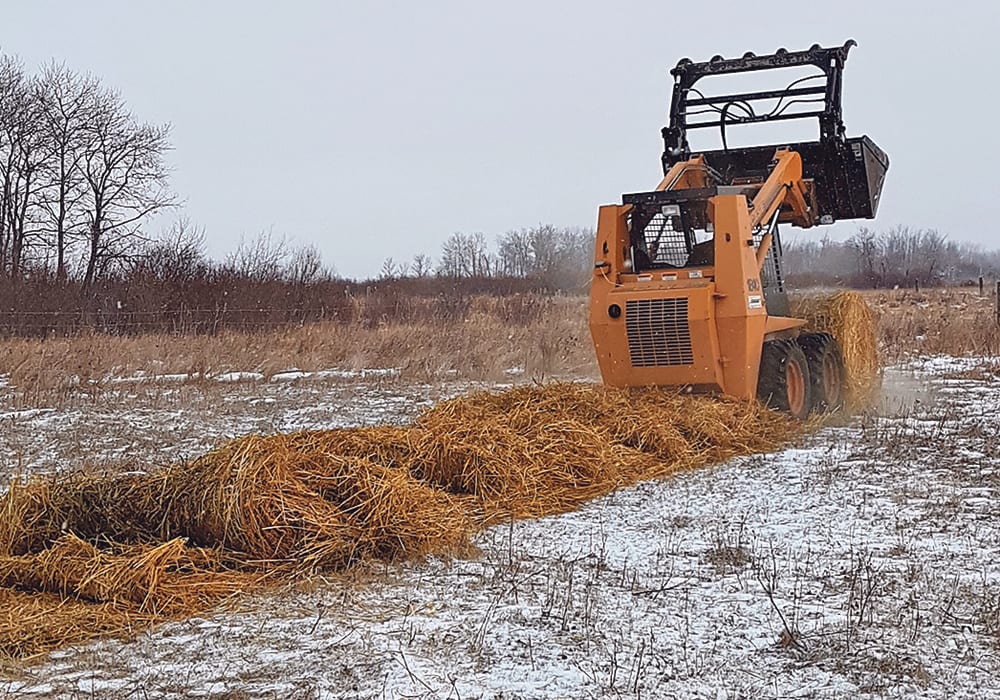
Skid steers were built around a fundamentally different problem: compact, highly maneuverable material handling and grading in tight spaces. Their zero-radius turning and quick-attach system optimized for buckets, grapples, and forks make them the better tool for tasks centered on moving material, grading, and working in confined areas where a tractor's larger turning radius becomes a real limitation. Understanding this core design difference is the starting point for deciding which machine actually fits a specific property's maintenance needs.
Mowing and Large-Area Vegetation Control
For properties with substantial open acreage requiring regular mowing, whether pasture, field edges, or large lawn areas, a tractor equipped with a rotary cutter or finish mower is generally the more efficient and cost-effective choice. Tractors are purpose-built for this kind of sustained, wide-swath mowing work, and the PTO-driven implements available for tractors cover mowing needs ranging from rough brush-hogging to finish-quality cutting far more comprehensively than skid steer mower attachments typically do.
Skid steers can mow with the right attachment, and this is a genuinely useful option for smaller areas or properties where mowing is a secondary task rather than the primary maintenance need. But for a property where large-area mowing is a recurring, significant portion of the maintenance workload, a tractor's mowing capability and implement variety generally make it the more practical primary machine for that specific task.
Material Handling and Grading Work
Where a skid steer distinctly outperforms a tractor is in material handling and grading tasks. Loading and moving gravel, mulch, soil, or debris, grading driveways and building pads, and working in tighter spaces around structures or landscaping all favor a skid steer's design. The quick-attach system lets an operator switch between buckets, forks, and grading attachments rapidly, and the machine's compact footprint and tight turning radius make it far more effective in confined work areas than a tractor with a front-end loader attachment.
For property owners planning building projects, driveway work, or significant landscaping that involves material movement and grading, the considerations covered in our guide on how to prep your land for building point clearly toward skid steer capability as the more efficient tool for that phase of work, even on a property where a tractor otherwise handles the bulk of routine maintenance.
Attachment Versatility Across Both Machine Types
Both tractors and skid steers gain significant capability through attachments, though the specific attachment ecosystems differ meaningfully between the two machine types. Skid steer attachments in particular have expanded well beyond basic buckets, and our overview of must-have skid steer attachments for construction pros covers several attachment categories that apply just as directly to property maintenance work as they do to construction applications, including grapples for brush clearing and forks for handling palletized materials or fencing supplies.
Tractors carry their own extensive attachment ecosystem centered on three-point hitch and PTO implements, covering everything from box blades for driveway grading to post hole diggers for fencing projects. Property owners weighing which machine to invest in, or which to rent for a specific project phase, should think through their actual attachment needs across the full range of maintenance tasks their property demands, since attachment availability and versatility often matters as much as the base machine's core capability.
Comparing to Dozers for Heavier Clearing Work
For property owners dealing with more substantial land clearing or grading needs beyond what either a tractor or skid steer comfortably handles, a dozer becomes a relevant third option worth considering. The comparison between dozer and skid steer capability, covered in our article on dozer versus skid steer: choosing the right machine for your project, provides a useful framework for property owners whose maintenance needs occasionally extend into heavier clearing territory that neither a standard tractor nor a skid steer is really built to handle efficiently.
Most ongoing property maintenance falls comfortably within tractor and skid steer capability, but recognizing when a project has moved beyond that range, into significant land clearing or heavy grading territory, helps property owners avoid pushing either machine into work it was not designed to handle efficiently.
Ground Conditions and Terrain Considerations
Terrain and ground condition play a meaningful role in which machine performs better on a given property. Tractors with standard tires generally handle open, relatively firm ground well but can struggle in soft, wet, or steeply sloped conditions compared to tracked or wheeled skid steer configurations designed for more challenging surface conditions. Properties in West Georgia and East Alabama with variable terrain, including areas with heavier clay soil that becomes difficult to traverse after significant rainfall, should factor these ground condition differences into the equipment decision rather than assuming either machine performs identically across all surface conditions.
Cost and Ownership Considerations
Property owners evaluating whether to purchase or rent either machine type should weigh the broader considerations covered in our article on heavy equipment rental versus purchase. For maintenance tasks that occur only seasonally or occasionally, such as periodic grading or an annual brush-clearing project, rental access to the right machine for that specific task often makes more financial sense than owning both a tractor and a skid steer year-round, particularly for properties where neither machine would see enough regular use to justify full ownership cost.
Properties with consistent, ongoing maintenance needs across mowing, material handling, and grading tasks may find that owning one machine and renting the other for occasional specialized work strikes the right balance between capability and cost, rather than committing to full ownership of both machine types.
Choosing Based on Actual Maintenance Priorities
The right choice between a farm tractor and a skid steer, or the decision to use both machines for different tasks across a property's maintenance calendar, comes down to an honest assessment of which tasks actually consume the most time and matter most for a specific property. A property with extensive open acreage and mowing as the dominant maintenance task leans toward a tractor as the primary investment, while a property centered around ongoing material handling, grading, and confined-space work leans toward a skid steer.
Many property owners in the West Georgia and East Alabama region ultimately benefit from access to both machine types across a full maintenance calendar, whether through ownership of one and rental access to the other, or through rental access to both as specific project needs arise throughout the year. Working through the actual task breakdown for a specific property, rather than defaulting to whichever machine seems more familiar or versatile in general, produces a more efficient and cost-effective equipment strategy over time.
Operator Experience and the Learning Curve
Operator familiarity is a practical factor that deserves more weight than it often gets in this comparison. Many property owners in this region grew up around tractors or have operated them for years on family land, which gives tractors a comfort and confidence advantage even when a skid steer might technically be the more efficient tool for a specific task. Skid steer controls, particularly hand-and-foot control configurations common on many models, involve a learning curve that first-time operators should account for before assuming they can jump on either machine with equal proficiency.
This is worth factoring into a rental decision specifically, since a rented machine an operator is unfamiliar with produces slower, less efficient results during an initial learning period than a machine the operator already knows well. Property owners renting equipment for a specific project should build a short familiarization period into their schedule, particularly if the machine type is new to them, rather than assuming full productivity from the first hour of operation.
Seasonal Demand Patterns for Each Machine
Demand for these two machine types often follows different seasonal patterns across the region, with tractor and mowing attachment demand peaking during the spring and summer growing season, while skid steer demand for grading and material handling tends to stay more consistent year-round, with additional peaks around building season and property improvement projects that cluster in more moderate weather months. Property owners planning ahead for a specific project should factor these seasonal demand patterns into their rental planning timeline, since securing the right machine during a regional peak demand period sometimes requires booking further in advance than during slower months.