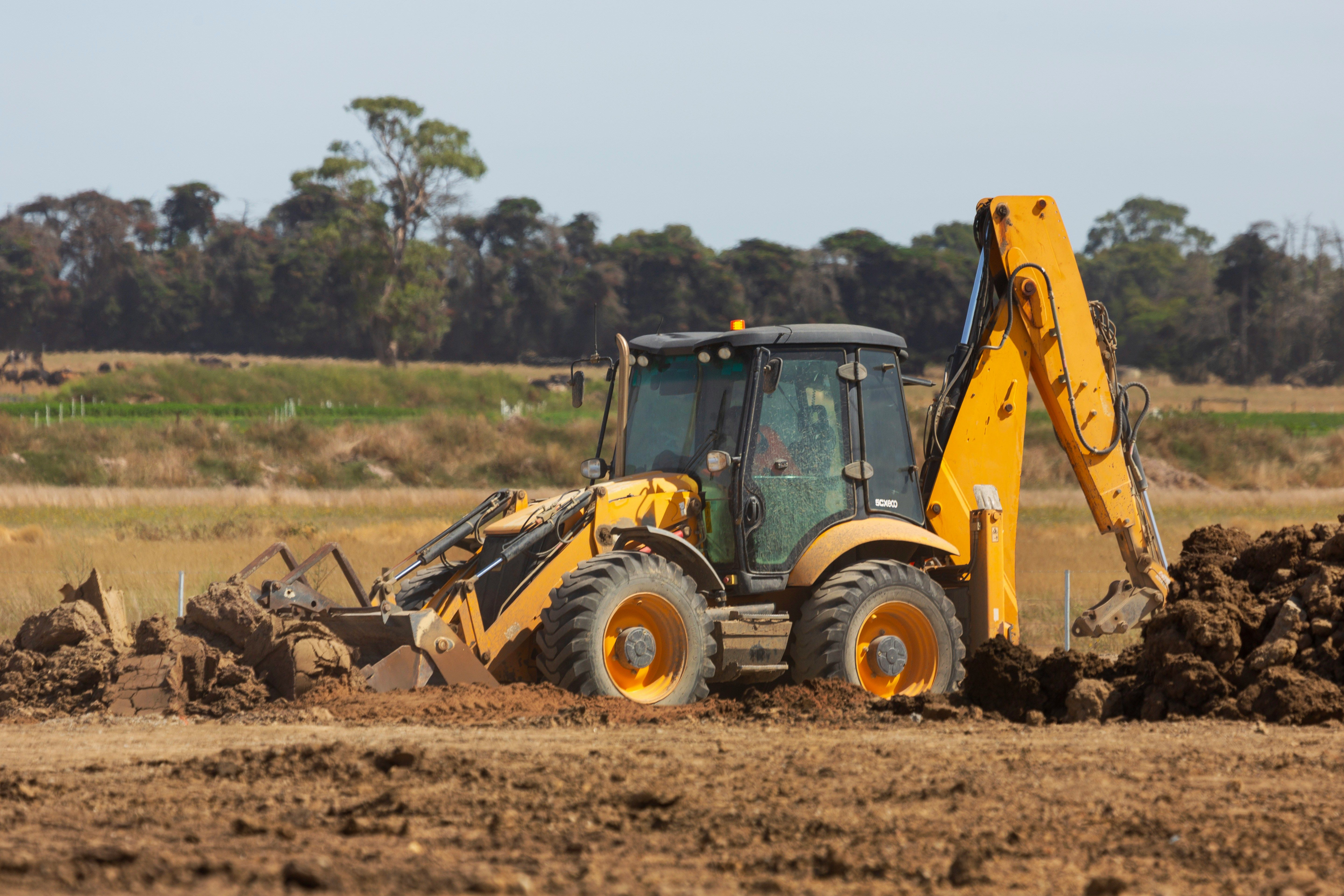
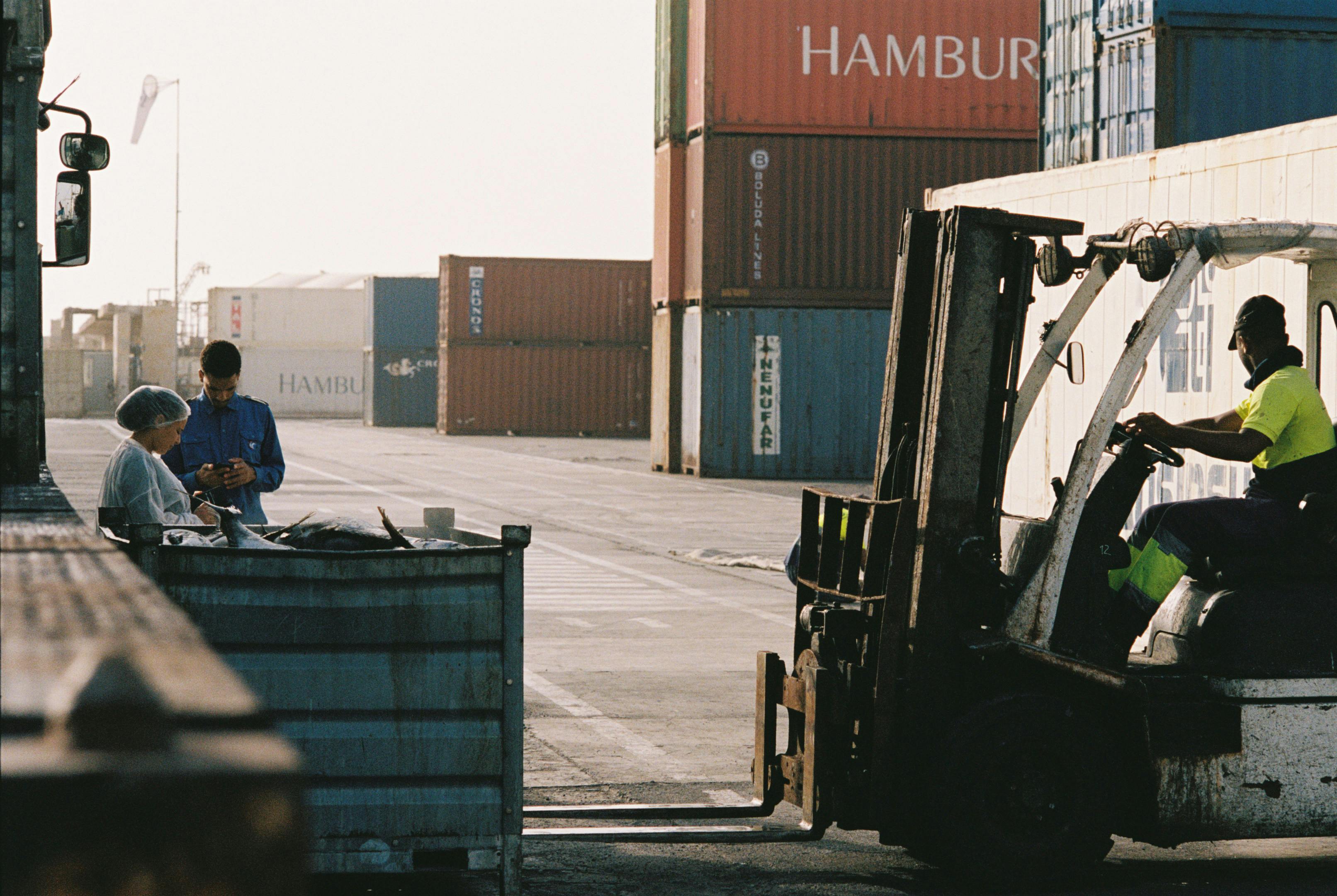
Construction projects rarely stay exactly the same from start to finish. Timelines shift, weather delays occur, crews expand, and equipment requirements evolve as work progresses. For contractors managing projects across Georgia and Alabama, flexibility has become one of the most valuable advantages in modern construction operations.
Heavy equipment rental flexibility allows contractors to adapt quickly without committing to expensive purchases that may not fit future workloads. Instead of being locked into long-term ownership costs, businesses can scale equipment needs based on project phases, seasonal demand, and changing jobsite conditions.
Whether handling excavation, grading, site preparation, material movement, or utility work, flexible rental solutions help crews maintain productivity while controlling operational costs.
Companies evaluating cost efficiency often compare ownership and rental models through resources like heavy equipment rental vs purchase before making equipment decisions.
Why Project Demands Change So Frequently
Construction projects involve multiple moving parts that can shift unexpectedly throughout the lifecycle of a job.
Common causes of changing equipment needs include:
- Weather delays
- Expanded project scope
- Labor availability
- Material delivery changes
- Site condition surprises
- Tightened deadlines
- Utility conflicts
- Seasonal workload increases
Because of these variables, contractors often require different equipment types at different stages of a project.
A crew performing land clearing may initially need dozers and excavators, then later require compact equipment, telehandlers, or compaction machinery as construction advances.
Flexible rental access helps businesses avoid delays caused by equipment shortages or mismatched machinery.
The Advantage of Scaling Equipment Up or Down
One of the biggest benefits of equipment rentals is scalability.
Contractors can:
- Add machines during peak demand
- Reduce equipment during slower phases
- Swap equipment types quickly
- Access specialized machinery temporarily
- Avoid storing underused equipment
This flexibility helps companies remain agile without tying up large amounts of capital in idle assets.
Businesses managing evolving workloads often explore strategies similar to those discussed in reduce jobsite downtime rental strategies .
Matching Equipment to Each Phase of Construction
Different construction phases require different equipment capabilities.
Site Preparation Phase
Early-stage work may involve:
- Excavators
- Dozers
- Compact track loaders
- Land clearing attachments
Contractors preparing development sites often review preparation guidance in how to prep land for building equipment rental guide .
Utility and Excavation Work
As projects progress, crews may need:
- Mini excavators
- Trenchers
- Compaction equipment
- Skid steers
Structural Construction
During vertical construction phases, projects often require:
- Telehandlers
- Scissor lifts
- Material handling equipment
Contractors handling elevated material placement frequently use insights from top telehandler uses for construction sites .
Final Grading and Cleanup
Later stages may involve:
- Compact loaders
- Rollers
- Grading attachments
- Landscaping equipment
Flexible rentals allow businesses to access exactly what they need during each stage rather than maintaining an oversized permanent fleet.
Reducing Capital Expenses
Purchasing heavy equipment requires major upfront investment.
Ownership costs include:
- Financing
- Insurance
- Maintenance
- Transportation
- Storage
- Repairs
- Depreciation
Rental flexibility helps contractors preserve working capital while still accessing modern equipment.
This can be especially important for:
- Growing construction companies
- Seasonal contractors
- Short-term project bids
- Specialized subcontractors
Companies seeking financial efficiency often evaluate solutions similar to those discussed in equipment rentals west Georgia east Alabama.
Access to Specialized Equipment Without Long-Term Commitment
Some projects require equipment that contractors may only use occasionally.
Examples include:
- Large dozers
- Specialized excavators
- Telehandlers
- Concrete equipment
- High-capacity compactors
Purchasing these machines may not make financial sense if utilization remains low.
Rental flexibility allows contractors to access specialty equipment only when needed.
This helps improve profitability while reducing idle equipment costs.
Faster Response to Unexpected Jobsite Conditions
Construction sites often present surprises once work begins.
Crews may encounter:
- Hard soil conditions
- Drainage issues
- Tight access areas
- Additional grading requirements
- Underground obstacles
Having access to flexible equipment rentals allows contractors to respond immediately instead of delaying projects while searching for machinery.
Local rental providers often deliver faster support and quicker equipment swaps when problems arise.Many contractors value the responsiveness discussed in how local equipment rental teams solve problems faster .
Supporting Seasonal Construction Workloads
Construction demand often fluctuates throughout the year.
Busy seasons may require additional:
- Excavators
- Loaders
- Compaction equipment
- Hauling support
Slower periods may reduce equipment demand significantly.
Flexible rentals help contractors avoid paying year-round ownership expenses for equipment only needed seasonally.
This creates more efficient fleet management and improved budgeting control.
Improving Jobsite Productivity
Having the right equipment at the right time directly impacts project efficiency.
Flexible rentals improve productivity by helping contractors:
- Avoid equipment shortages
- Reduce downtime
- Speed up project timelines
- Handle larger workloads
- Maintain crew efficiency
For example, adding an extra skid steer or mini excavator during a demanding phase can prevent bottlenecks that delay entire crews.
Construction teams evaluating machine efficiency often compare options through resources like dozer vs skid steer choosing the right machine for your project .
Easier Equipment Upgrades
Technology in heavy equipment continues evolving rapidly.
Modern machines now offer:
- Improved fuel efficiency
- Enhanced operator controls
- Better safety systems
- GPS integration
- Telematics monitoring
- Lower emissions
Rental flexibility allows contractors to access newer equipment without constantly replacing owned fleets.
This helps businesses remain competitive while reducing long-term replacement costs.
Companies exploring newer machinery often review guidance in choose right heavy equipment .
Reduced Maintenance Responsibilities
Owning large fleets requires ongoing maintenance management.
Rental agreements often reduce the burden associated with:
- Scheduled servicing
- Repairs
- Major breakdowns
- Equipment inspections
This allows contractors to focus more on project execution rather than equipment upkeep.
Preventative maintenance remains important even with rental fleets, especially during long-term projects.
Operational planning strategies similar to those outlined in preventative maintenance heavy equipment downtime can help minimize disruptions.
Flexibility for Multi-Project Contractors
Contractors managing several projects simultaneously often face shifting equipment priorities.
Rental flexibility helps businesses:
- Move equipment between projects
- Add temporary fleet support
- Handle overlapping schedules
- Adjust to accelerated timelines
Instead of purchasing additional machines for short-term overlap, contractors can rent supplemental equipment as needed.
This approach supports growth without unnecessary financial strain.
Supporting Land Clearing and Development Projects
Land development projects frequently require changing equipment throughout different stages.
Common equipment transitions include:
- Excavators for clearing
- Dozers for grading
- Compactors for stabilization
- Skid steers for cleanup
Contractors handling site development often rely on strategies discussed in <a href="https://liveoakequipment.com/blog/how-toigger-equipment-for-construction-and-land-clearing-projects">how to use bigger equipment for construction and land clearing projects</a>.
Flexible rental access ensures crews always have the right tools for evolving conditions.
Compact Equipment Adds More Flexibility
Compact machines have become increasingly popular because they can perform multiple tasks while operating efficiently in tight spaces.
Examples include:
- Mini excavators
- Compact track loaders
- Small skid steers
These machines improve flexibility on residential, utility, and urban construction projects.
Contractors comparing compact equipment performance often review insights from mini excavators for Georgia compact vs standard .
Reducing Transportation and Storage Challenges
Owning large fleets creates transportation and storage challenges.
Rental flexibility helps reduce:
- Yard storage requirements
- Fleet transportation expenses
- Idle equipment management
- Equipment relocation logistics
This becomes especially beneficial for contractors operating across multiple regions or temporary project sites.
Equipment Availability Helps Meet Tight Deadlines
Construction deadlines continue becoming more aggressive.
Flexible rental access allows contractors to:
- Add backup equipment quickly
- Increase production capacity
- Replace broken machines fast
- Prevent workflow interruptions
When projects fall behind schedule, rapid equipment access can help crews recover lost productivity.
Contractors working in competitive markets often prioritize the operational flexibility described in heavy equipment rentals Georgia .
Rental Flexibility Supports Business Growth
Growing contractors may not have the budget to purchase every piece of equipment immediately.
Rental flexibility supports expansion by allowing businesses to:
- Bid larger projects
- Handle more simultaneous jobs
- Test new service capabilities
- Increase operational capacity gradually
This approach lowers financial risk while creating opportunities for sustainable growth.
Final Thoughts
Construction projects constantly evolve, and contractors need equipment solutions that can adapt just as quickly. Flexible heavy equipment rentals provide businesses with the ability to respond to changing workloads, unexpected site conditions, and shifting timelines without the financial burden of oversized ownership fleets.
From excavation and grading to material handling and site preparation, rental flexibility improves efficiency, reduces downtime, and supports smarter project management across Georgia and Alabama.
As construction demands continue changing, contractors who embrace flexible rental strategies position themselves to operate more efficiently, stay competitive, and deliver projects with greater confidence and control.