Construction projects move fast, and delays caused by missing or unreliable equipment can quickly turn into lost time and money. For contractors working in Georgia, having access to dependable heavy equipment rentals is often the difference between staying on schedule and falling behind. From site preparation to final grading, the right machinery ensures work is completed efficiently, safely, and within budget.
In many cases, owning heavy machinery is not the most practical option. Equipment is expensive to purchase, maintain, and store, especially for contractors handling short-term projects or fluctuating workloads. Heavy equipment rentals provide a flexible alternative, allowing construction businesses to access the tools they need without long-term commitments. Across Columbus, Georgia, and surrounding areas, Live Oak Equipment supports contractors with a well-maintained rental fleet and fast delivery, helping projects move forward without unnecessary downtime.
This guide explains how heavy equipment rentals support construction projects, when renting makes sense, and how to choose the right equipment for your job.
Why Heavy Equipment Rentals Matter in Construction
Construction work relies on machines that are powerful, precise, and reliable. Excavators, skid steers, dozers, and compaction equipment are essential at different stages of a project. Purchasing all of this equipment outright requires significant capital investment, which is not always feasible or efficient for many businesses.
Renting heavy equipment allows contractors to match machinery to specific project needs. Instead of owning equipment that may sit idle between jobs, rental solutions provide access only when the equipment is needed. This approach helps manage cash flow and reduces financial risk.
Another major advantage of renting is reduced maintenance responsibility. Rental equipment is serviced and inspected regularly, ensuring it arrives ready for use. Contractors can focus on completing the work rather than managing repairs, inspections, or unexpected breakdowns.
The Evolution and Importance of Heavy Equipment Rentals
Heavy equipment rentals became common as construction projects grew in size and complexity. In earlier decades, contractors were expected to own most of their machinery. As technology advanced, equipment became more specialized and expensive, making ownership less practical for many businesses.
The rental model provided a solution by allowing contractors to access modern machinery without long-term investment. This shift made it easier for small and midsize contractors to compete with larger firms by using the same quality equipment on job sites.
In Georgia, where construction activity spans residential, commercial, and infrastructure projects, equipment rentals have become a standard part of project planning. Rental providers supply machines suited to local terrain, soil conditions, and project requirements. This adaptability helps contractors respond quickly to changing job demands.
When Renting Heavy Equipment Makes Sense
Heavy equipment rentals are ideal for a wide range of construction scenarios. Short-term projects are one of the most common cases. When equipment is only needed for a few days or weeks, renting avoids the cost and hassle of ownership.
Rentals also make sense when projects require specialized machinery. Certain tasks, such as compaction or large-scale earthmoving, may only occur during specific project phases. Renting allows contractors to bring in the right equipment at the right time without maintaining it year-round.
Seasonal construction work is another factor. Contractors in Georgia may experience fluctuating workloads depending on weather and demand. Renting equipment during peak seasons allows businesses to scale operations up or down without permanent financial commitments.
Common Types of Heavy Equipment Rented for Construction
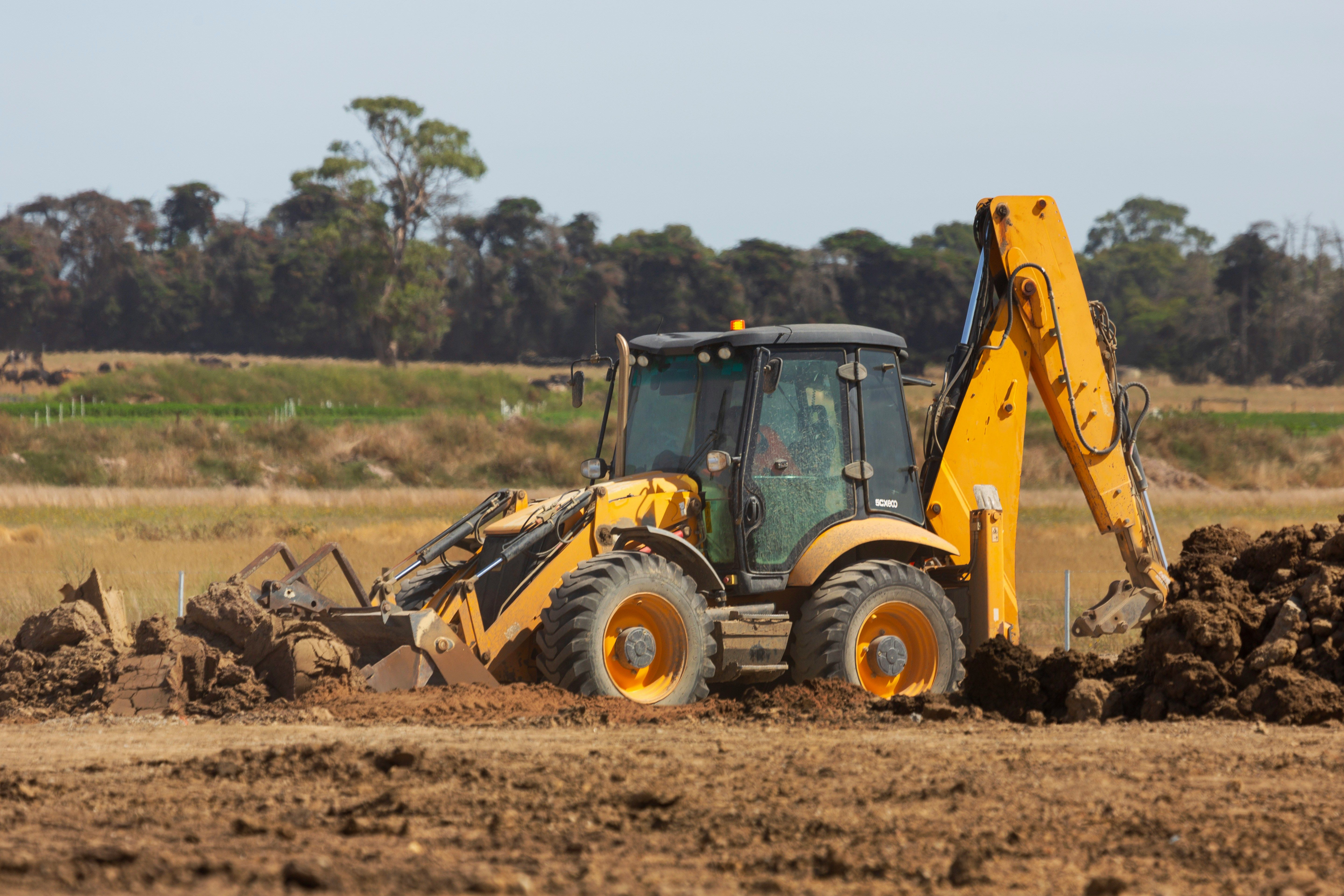
Construction equipment rentals cover a wide range of machines, each designed for specific tasks. Excavators are among the most commonly rented pieces of equipment. They are used for digging foundations, trenching, and demolition work. Their versatility makes them essential on many job sites.
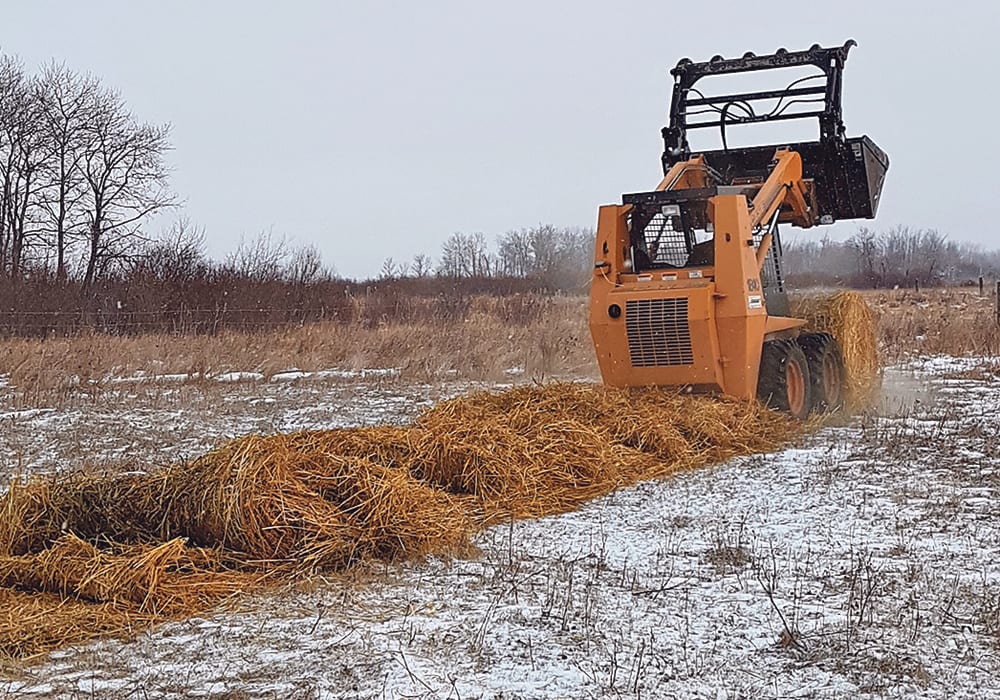
Skid steers are popular due to their compact size and adaptability. They perform tasks such as grading, loading, hauling, and site cleanup. With various attachments available, skid steers can handle multiple job functions efficiently.
Dozers are used for heavy earthmoving and site preparation. They provide the power needed to push large volumes of material and shape terrain. Renting dozers allows contractors to tackle large-scale tasks without investing in equipment that may not be needed regularly.
Compaction equipment plays a critical role in preparing stable foundations. Rollers and compactors ensure soil and pavement are properly compacted, reducing the risk of settling or structural issues later.
Trailer rentals also support construction projects by simplifying equipment transport. Moving machinery between job sites becomes safer and more efficient when using the right trailers.
Benefits of Renting Instead of Owning Equipment
One of the biggest benefits of renting heavy equipment is cost control. Renting eliminates large upfront purchases and spreads costs across project timelines. This makes budgeting more predictable and reduces financial strain.
Rentals also provide access to newer equipment models. Modern machines offer improved efficiency, safety features, and performance compared to older equipment. Using up-to-date equipment helps improve productivity and reduce the risk of mechanical failure.
Storage and transportation are additional considerations. Owning heavy equipment requires secure storage and ongoing transportation planning. Renting removes these responsibilities, as equipment is delivered to and picked up from the job site as needed.
How Rentals Support Project Efficiency
Construction schedules are often tight, and delays can be costly. Equipment rentals support efficiency by ensuring machines are available when needed. Fast delivery and responsive service help keep projects moving forward.
Rental equipment is typically inspected and maintained before delivery. This reduces downtime caused by breakdowns and ensures compliance with safety standards. Reliable equipment allows crews to work confidently and maintain consistent progress.
Renting also improves flexibility. If project requirements change, contractors can switch equipment types or sizes without being locked into ownership. This adaptability is valuable in dynamic construction environments.
Choosing the Right Equipment for Your Project
Selecting the right equipment starts with understanding the scope of the project. Factors such as site size, terrain, material type, and task duration all influence equipment choice. Renting allows contractors to choose machines that fit specific needs rather than settling for owned equipment that may not be ideal.
Working with a knowledgeable rental provider helps ensure the right selection. Experienced providers can recommend equipment based on job requirements and local conditions. This guidance reduces the risk of underpowered or oversized machines slowing down work.
Compatibility between equipment and attachments is also important. Rental providers ensure machines are properly configured and ready for use upon delivery.
Why Working With a Local Rental Provider Matters
Local rental providers offer advantages that national chains may not. They understand regional construction demands, local regulations, and site conditions. This knowledge helps them supply equipment that performs well in the local environment.
A provider like Live Oak Equipment focuses on supporting contractors with responsive service and dependable equipment. Being locally based allows faster delivery, better communication, and personalized support throughout the rental period.
Strong relationships with local providers also lead to better long-term outcomes. Contractors benefit from consistent service, equipment availability, and expert advice as project needs evolve.
Planning for Safety and Compliance
Safety is a top priority on construction sites. Rental equipment is typically maintained to meet safety standards, reducing the risk of accidents caused by equipment failure. Proper training and clear operating guidelines further support safe use.
Using rental equipment also helps ensure compliance with current regulations. Providers keep equipment up to date and properly documented, helping contractors meet inspection and safety requirements.
Safe equipment contributes to smoother operations, improved worker confidence, and fewer disruptions on the job site.
Long-Term Value of Equipment Rentals
Heavy equipment rentals offer more than short-term convenience. They support long-term business growth by preserving capital, improving flexibility, and reducing operational risk. Contractors can take on a wider range of projects without expanding permanent equipment inventories.
Over time, rental strategies help businesses remain competitive. They allow contractors to adapt quickly to market changes, invest in skilled labor, and manage costs more effectively.
Rentals also support sustainability by maximizing equipment usage across multiple projects, reducing idle time and unnecessary resource consumption.
Final Thoughts
Heavy equipment rentals are a practical and efficient solution for construction projects in Georgia. They provide access to reliable machinery, reduce financial strain, and support flexible project planning. From excavators and skid steers to dozers, compaction equipment, and trailers, renting ensures the right tools are available exactly when needed.
By understanding rental options, choosing equipment carefully, and working with a trusted local provider, contractors can improve productivity and keep projects on track. Equipment rentals are not just a cost-saving option. They are a strategic advantage for modern construction operations.