Choosing the right heavy equipment can shape the success or failure of a construction or land clearing project. Whether you are preparing a site for a new build, clearing raw land for development, or managing forestry work, the machines you select directly affect productivity, safety, timelines, and overall costs.
At Live Oak Equipment, contractors and project managers rely on dependable machinery that performs in real jobsite conditions. From excavators and skid steer loaders to forestry equipment, selecting the right tools is not about choosing the biggest machine available. It is about choosing equipment that fits your job scope, terrain, and long-term goals.
This guide walks through how to approach equipment selection with confidence, avoid common mistakes, and make smart decisions for construction and land clearing projects of all sizes.
Why Equipment Selection Matters More Than You Think
Heavy equipment represents one of the largest investments on any jobsite. When the right machine is chosen, work moves smoothly, operators stay productive, and projects stay on schedule. When the wrong equipment is used, downtime increases, fuel costs rise, and crews struggle to complete basic tasks efficiently.
Construction and land development projects often involve multiple phases. Excavation, grading, clearing, hauling, and finishing all require different types of equipment. Understanding these needs early helps avoid last-minute rentals or costly adjustments halfway through the project.
Live Oak Equipment works closely with contractors to ensure each piece of equipment matches the work being performed rather than forcing crews to adapt to machines that are not designed for the task.
Understanding Your Project Requirements
Before selecting any heavy equipment, it is essential to define the scope of the project. This includes the size of the site, the type of material being moved, and the timeline for completion.
For construction projects, factors such as foundation depth, soil composition, and material handling requirements influence equipment choice. Excavators for construction are commonly used for digging footings, trenches, and foundations, while skid steer loaders assist with material movement and site cleanup.
Land clearing projects bring different challenges. Dense vegetation, tree removal, uneven ground, and debris management require forestry equipment built to handle demanding conditions. Machines must be powerful enough to clear efficiently while remaining stable and safe on rough terrain.
Excavators for Construction and Site Preparation
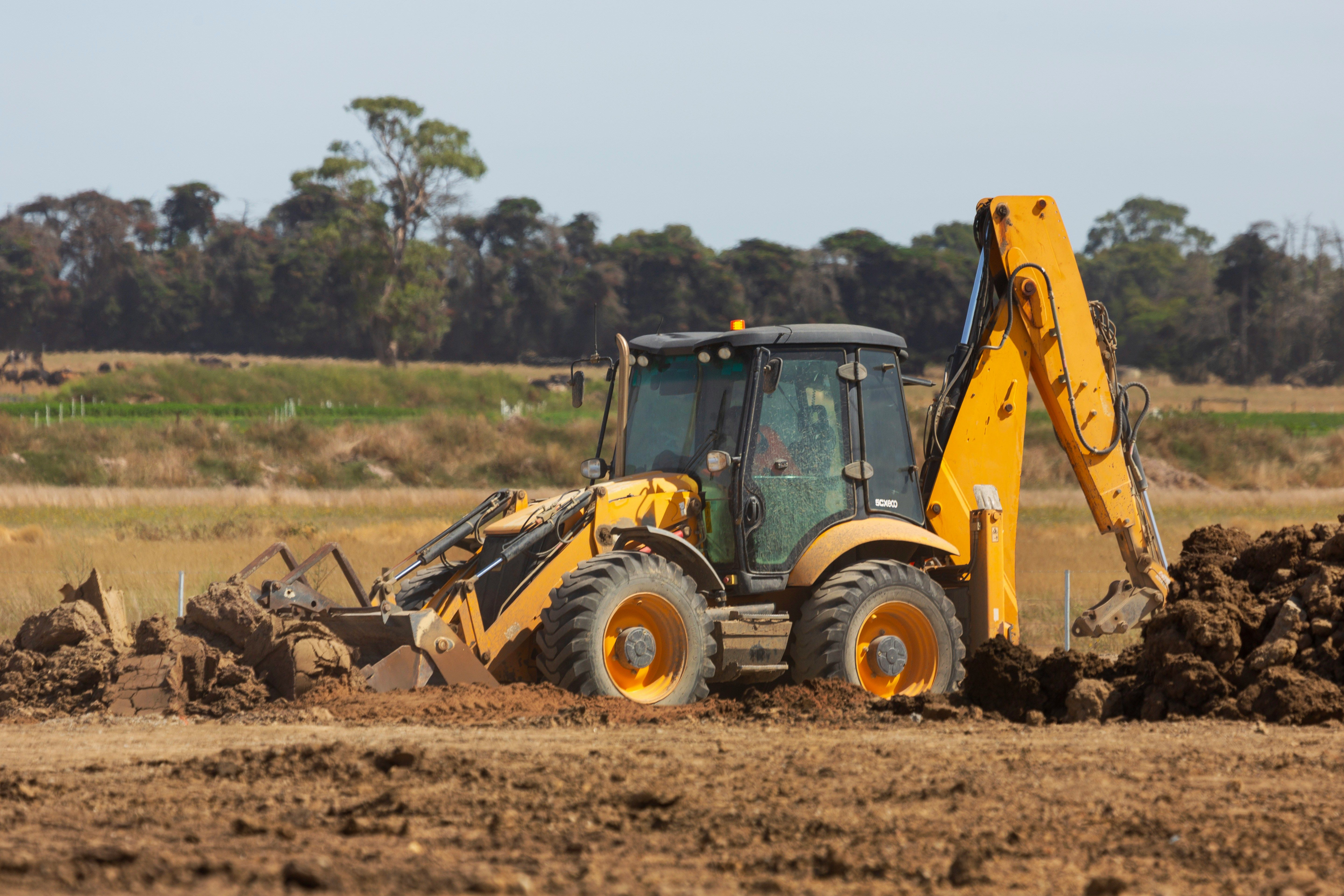
Excavators are one of the most essential machines on construction sites. Their versatility allows them to perform digging, lifting, trenching, and demolition tasks with precision.
When selecting an excavator, consider the size of the machine relative to the jobsite. Compact excavators are well suited for tight spaces and residential construction, while larger models handle commercial foundations and heavy excavation work.
Bucket size, reach, and operating weight all influence performance. Matching these specifications to your project prevents overworking the machine and improves overall efficiency. At Live Oak Equipment, contractors can choose from a range of excavators designed to meet both small and large project demands.
Skid Steer Loaders and Their Jobsite Flexibility
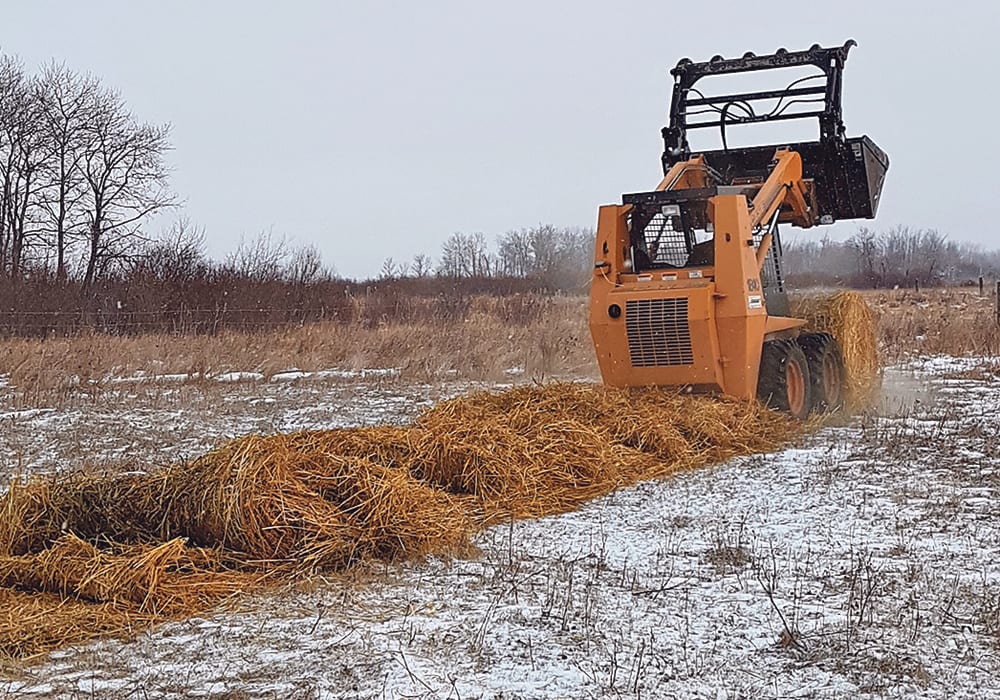
Skid steer loaders are valued for their compact design and ability to handle multiple tasks with different attachments. These machines are commonly used for grading, loading, debris removal, and material transport.
For construction projects, skid steer loaders help maintain workflow by supporting crews during site preparation and cleanup. In land clearing operations, they assist with moving brush, soil, and debris after larger equipment completes primary clearing.
Attachment compatibility is a key consideration. A skid steer loader equipped with the right attachments becomes a multi-purpose solution rather than a single-use machine. This flexibility makes skid steer loaders a practical choice for projects with changing needs.
Forestry Equipment for Land Clearing Projects
Land clearing requires machines designed to handle heavy vegetation and uneven ground. Forestry equipment such as mulchers and specialized loaders allows operators to clear trees and brush efficiently while preparing land for development.
Forestry mulchers break down vegetation directly on site, reducing the need for hauling debris away. This saves time and minimizes environmental disruption. Selecting the right forestry equipment depends on vegetation density, terrain type, and project scale.
Live Oak Equipment provides options suited for both selective clearing and large-scale land development, helping contractors complete work safely and effectively.
Renting vs Buying Heavy Equipment
One of the most common decisions contractors face is whether to rent or purchase heavy equipment. Heavy equipment rentals offer flexibility, especially for short-term or specialized projects.
Renting allows access to well-maintained machines without the long-term costs of ownership. Maintenance, storage, and depreciation concerns are reduced, making rentals a cost-effective option for many contractors.
Used heavy equipment can also be a smart choice for businesses looking to expand their fleet while managing costs. When sourced from a reliable provider, used machines offer dependable performance without the price of new equipment.
Live Oak Equipment assists customers in evaluating both rental and used equipment options to find solutions that align with their project needs and budgets.
Matching Equipment to Terrain and Conditions
Every jobsite presents unique conditions. Soft soil, rocky ground, slopes, and weather patterns all affect how equipment performs. Choosing machines that can operate safely in these conditions protects both operators and equipment.
Tracked machines provide better stability on uneven or soft terrain, while wheeled equipment offers speed and mobility on firm ground. Understanding these differences helps contractors select equipment that maintains traction and control throughout the project.
Considering environmental conditions early prevents delays caused by equipment struggling to perform in unsuitable terrain.
Operator Experience and Safety Considerations
Even the most advanced machine depends on the operator’s ability to use it correctly. Equipment selection should align with the experience level of available operators.
Machines that are too complex or oversized increase the risk of accidents and slow productivity. Choosing equipment that operators are comfortable using improves efficiency and reduces safety concerns.
Live Oak Equipment prioritizes safety by offering reliable machines that are properly maintained and easy to operate, helping crews work confidently on site.
Planning for Maintenance and Support
Equipment reliability directly impacts project timelines. Machines that break down frequently disrupt workflow and increase costs.
When renting or purchasing equipment, consider the availability of maintenance support and replacement parts. Working with a trusted provider ensures that issues are addressed quickly, minimizing downtime.
Live Oak Equipment maintains its fleet to high standards, providing contractors with dependable machines ready to perform when needed.
Making Smart Equipment Decisions for Long-Term Success
Choosing the right heavy equipment is not just about completing a single project. It is about building a process that supports efficiency, safety, and growth across future jobs.
By understanding project requirements, evaluating equipment options carefully, and working with a knowledgeable provider, contractors can make decisions that deliver consistent results.
Live Oak Equipment serves as a reliable partner in construction and land clearing projects, helping customers select equipment that fits their needs and keeps projects moving forward.
Key Takeaways
- Selecting the right equipment improves productivity and controls costs
- Excavators and skid steer loaders are essential for construction projects
- Forestry equipment is critical for efficient land clearing
- Rentals and used equipment provide flexible, cost-effective options
- Terrain, safety, and maintenance should guide equipment selection