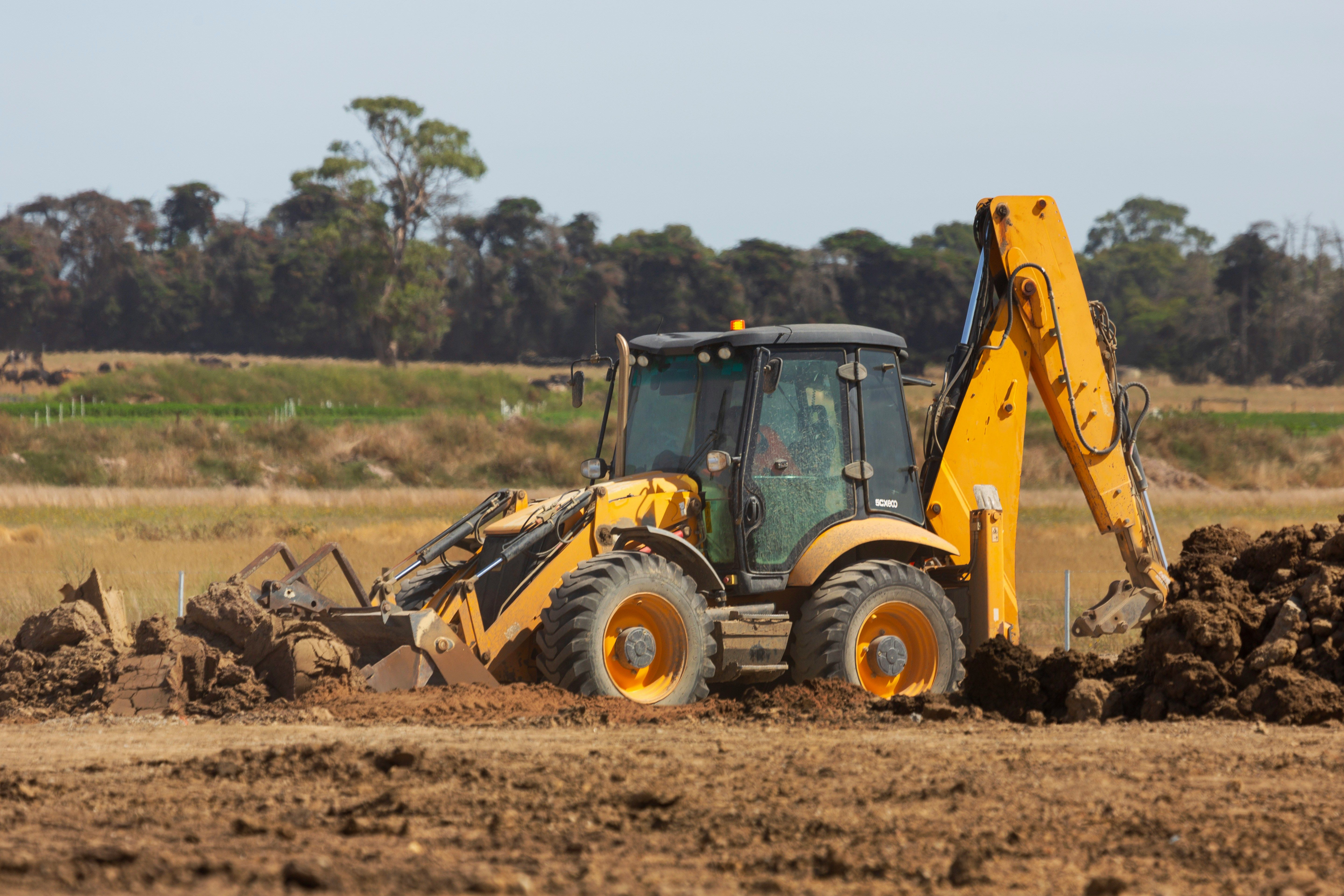
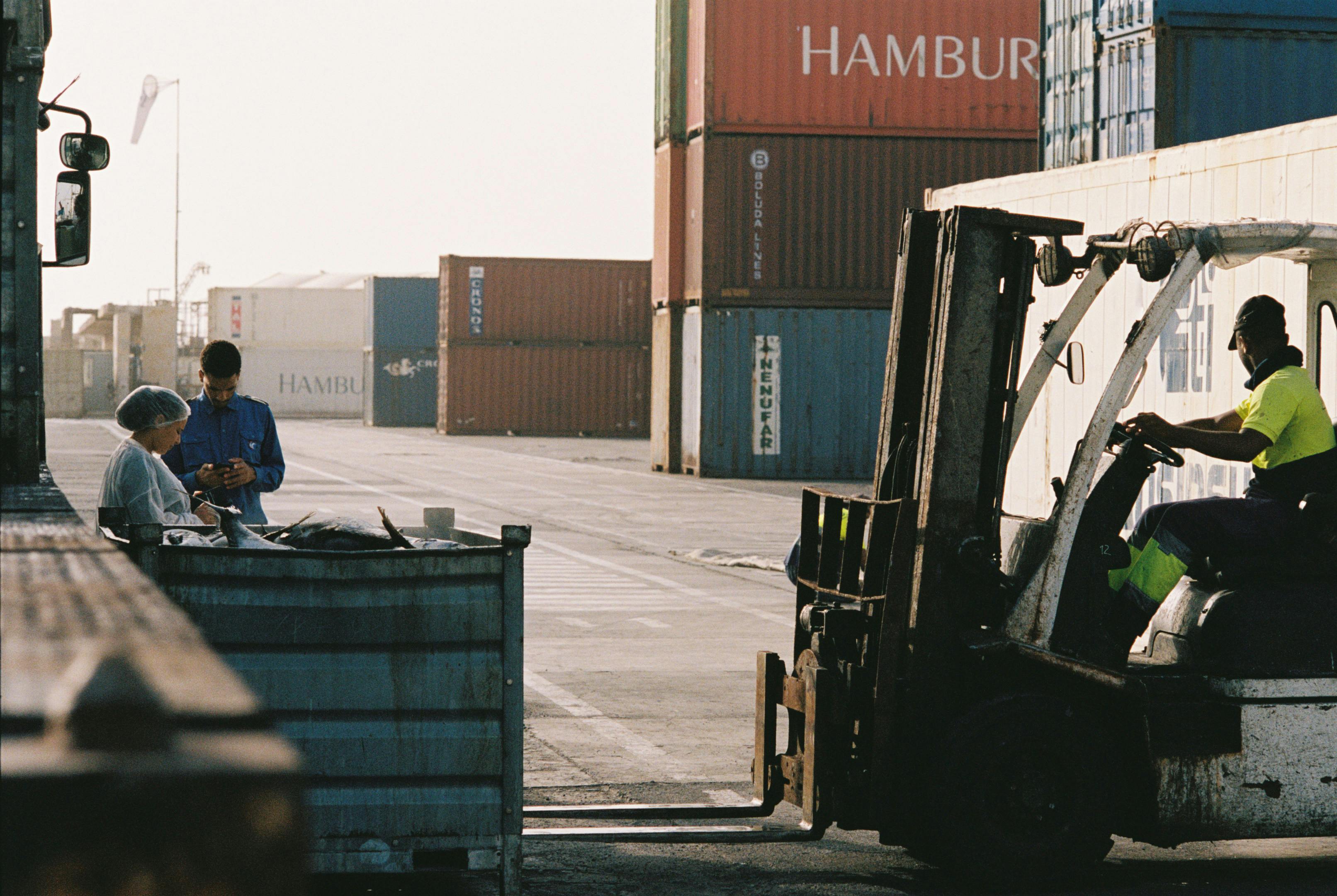
Construction projects depend heavily on timing, coordination, and equipment availability. Whether working on residential developments, commercial builds, or land clearing operations, contractors face constant pressure to complete jobs on schedule and within budget.
One of the most effective ways to maintain efficiency on modern jobsites is through strategic equipment rentals. Instead of investing in a full fleet of machinery, many contractors now rely on rental solutions to access the right equipment exactly when it is needed.
This approach provides flexibility, reduces financial risk, and ensures that projects are not delayed due to equipment shortages or maintenance issues.
In fast-paced construction environments across Georgia and Alabama, equipment rentals have become a key factor in improving productivity and overall project success.
Why Equipment Availability Matters on Construction Sites
Construction schedules are often tightly planned, with multiple phases dependent on timely completion of previous tasks.
Delays in equipment availability can lead to:
- Project timeline disruptions
- Increased labor costs
- Idle crews and wasted productivity
- Missed deadlines
- Budget overruns
Having immediate access to the right equipment helps contractors maintain momentum throughout every stage of construction.
Rental solutions eliminate many of the delays associated with ownership, such as breakdown repairs, transportation logistics, and seasonal underutilization.
Flexibility to Match Equipment with Each Project Phase
Different phases of construction require different types of machinery.
For example:
- Site preparation may require dozers and excavators
- Material handling may require skid steers and loaders
- Lifting tasks may require telehandlers or lifts
- Finishing work may require compact equipment
Rather than owning every machine needed for every phase, contractors can rent equipment based on current project demands.
This flexibility ensures that each task is completed using the most efficient machine available.
Contractors looking to choose the right machinery can review this helpful guide .
Selecting properly matched equipment improves productivity and reduces unnecessary operational costs.
Reducing Downtime with Rental Equipment Strategies
Downtime is one of the biggest threats to construction efficiency.
It can be caused by:
- Equipment breakdowns
- Maintenance delays
- Parts shortages
- Transportation issues
- Scheduling conflicts
Rental equipment helps minimize downtime because replacement machines can often be provided quickly when needed.
Many contractors also use rentals as backup equipment to ensure that work continues even when primary machines require service.
Additional strategies for reducing downtime can be explored here:
Minimizing downtime leads directly to improved project efficiency and profitability.
Cost Control and Budget Predictability
Owning heavy equipment requires significant financial investment.
Costs include:
- Purchase price
- Insurance
- Maintenance
- Repairs
- Storage
- Depreciation
Rental equipment eliminates many of these long-term expenses.
Instead, contractors pay only for the time they actually use the equipment.
This creates more predictable project budgeting and allows businesses to allocate resources more efficiently.
For many small and mid-sized contractors, renting equipment is a more financially sustainable approach than ownership.
Access to Modern and Well-Maintained Equipment
Technology in construction machinery continues to evolve rapidly.
Newer equipment models often offer:
- Better fuel efficiency
- Improved safety features
- Advanced control systems
- Higher productivity rates
Rental fleets are typically updated regularly, meaning contractors gain access to modern equipment without having to invest in frequent upgrades.
This helps improve jobsite performance while maintaining operational efficiency.
Contractors can also explore how local equipment providers solve challenges faster .
Matching Equipment Size to Project Needs
Choosing the correct equipment size is critical for productivity.
Using machines that are too large can lead to unnecessary fuel costs and site limitations, while equipment that is too small can slow down production.
For example:
- Mini excavators are ideal for tight residential sites
- Standard excavators are better for large-scale excavation
- Skid steers work well for compact, versatile tasks
A detailed comparison of compact and standard machines can be found here:
Proper equipment selection ensures efficiency at every stage of construction.
Improving Land Preparation Efficiency
Before construction begins, proper site preparation is essential.
This includes:
- Clearing vegetation
- Leveling terrain
- Removing debris
- Grading soil
Rental equipment such as dozers, excavators, and skid steers plays a major role in speeding up this process.Contractors can learn more about land preparation techniques here.
Efficient site preparation reduces delays and ensures smoother construction workflows.
Increasing Productivity with Specialized Attachments
Modern construction equipment is highly versatile due to attachment systems.
Skid steers, for example, can be equipped with:
- Buckets
- Augers
- Grapples
- Forks
- Trenchers
These attachments allow a single machine to perform multiple functions on a jobsite.
This reduces the need for multiple machines and improves workflow efficiency.
Contractors can explore essential skid steer attachments here.
Equipment Rental vs Equipment Ownership
Choosing between renting and buying equipment depends on project frequency and business size.
Ownership may be beneficial for:
- Large contractors with constant equipment use
- Companies with stable long-term projects
Renting is ideal for:
- Short-term projects
- Specialized equipment needs
- Seasonal construction work
- Budget-conscious contractors
A full comparison is available here .Understanding this balance helps businesses make smarter financial decisions.
Improving Jobsite Safety Through Proper Equipment Use
Safety is a major priority in construction environments.
Rental companies often provide well-maintained equipment that meets safety standards.
Proper training and equipment selection can help reduce:
- Operator errors
- Equipment malfunctions
- Workplace accidents
When contractors use the right machine for the job, overall site safety improves significantly.
Supporting Multi-Project Contractors
Many construction companies operate multiple projects at once.
Renting equipment allows them to:
- Move machines between job sites easily
- Scale equipment usage up or down
- Avoid equipment idle time
- Respond quickly to new contracts
This flexibility supports business growth and improves operational efficiency.
Environmental and Sustainability Benefits
Rental equipment also contributes to sustainability goals.
Benefits include:
- Reduced equipment waste
- Lower emissions from newer machines
- More efficient fuel usage
- Shared equipment utilization
These factors help construction companies reduce their environmental impact while maintaining productivity.
Improving Project Timelines with Rental Strategies
Project delays often result in financial penalties and lost opportunities.
Equipment rentals help prevent delays by ensuring:
- Immediate machine availability
- Reduced maintenance interruptions
- Faster task completion
- Better resource allocation
With the right rental strategy, contractors can maintain a consistent workflow across all project phases.
Conclusion
Construction equipment rentals have become a critical strategy for improving jobsite efficiency, reducing downtime, and maintaining project timelines. By providing flexible access to modern machinery, rental solutions allow contractors to match equipment precisely to project needs without the long-term financial burden of ownership.
From land preparation and excavation to material handling and finishing work, rental equipment supports every stage of construction. Contractors who adopt effective rental strategies gain a competitive advantage through improved productivity, lower costs, and more reliable project delivery.
As construction demands continue to grow in Georgia, Alabama, and beyond, equipment rental solutions will remain a key driver of operational success for contractors of all sizes.