Successful construction projects depend on more than skilled labor and quality materials. Proper equipment planning plays a major role in keeping projects on schedule, controlling costs, and maximizing productivity. For contractors managing multi-phase projects, having the right equipment available at the right time can be the difference between meeting deadlines and facing costly delays.
Whether you're handling land clearing, site preparation, excavation, utility installation, grading, or final construction activities, equipment needs change throughout the project lifecycle. Instead of investing heavily in machinery that may only be required for specific phases, many contractors are turning to equipment rentals as a flexible and cost-effective solution.
Companies throughout Georgia and Alabama continue to rely on equipment rentals in West Georgia and East Alabama to maintain project flexibility while minimizing capital expenditures.
Why Equipment Planning Matters for Multi-Phase Projects
Every construction project progresses through multiple stages, each requiring different types of equipment. A machine that is critical during excavation may become unnecessary during utility installation or final grading.
Without a clear rental strategy, contractors often face challenges such as:
- Equipment shortages
- Idle equipment costs
- Scheduling delays
- Increased maintenance expenses
- Reduced crew productivity
A well-developed equipment rental plan helps contractors match equipment availability with project demands. Before selecting machinery, project managers should review factors discussed in choosing the right equipment for your project to ensure optimal equipment selection.
Land Clearing and Site Preparation
The first stage of most construction projects involves preparing the site for development. This phase often requires powerful machines capable of handling vegetation removal, grading, debris management, and earthmoving tasks.
Common equipment used during site preparation includes:
- Dozers
- Excavators
- Skid steers
- Compact track loaders
- Land clearing attachments
Contractors preparing sites for commercial or residential construction can benefit from insights found in how to prep land for building projects .
During this phase, selecting the proper equipment size is essential. Oversized machines may increase fuel costs, while undersized equipment can slow production. The guidance provided in choosing the right heavy equipment can help contractors avoid costly mistakes.
Excavation and Earthmoving
Once the site is prepared, excavation and earthmoving activities begin. These tasks typically require specialized equipment capable of handling trenches, foundations, drainage systems, and utility corridors.
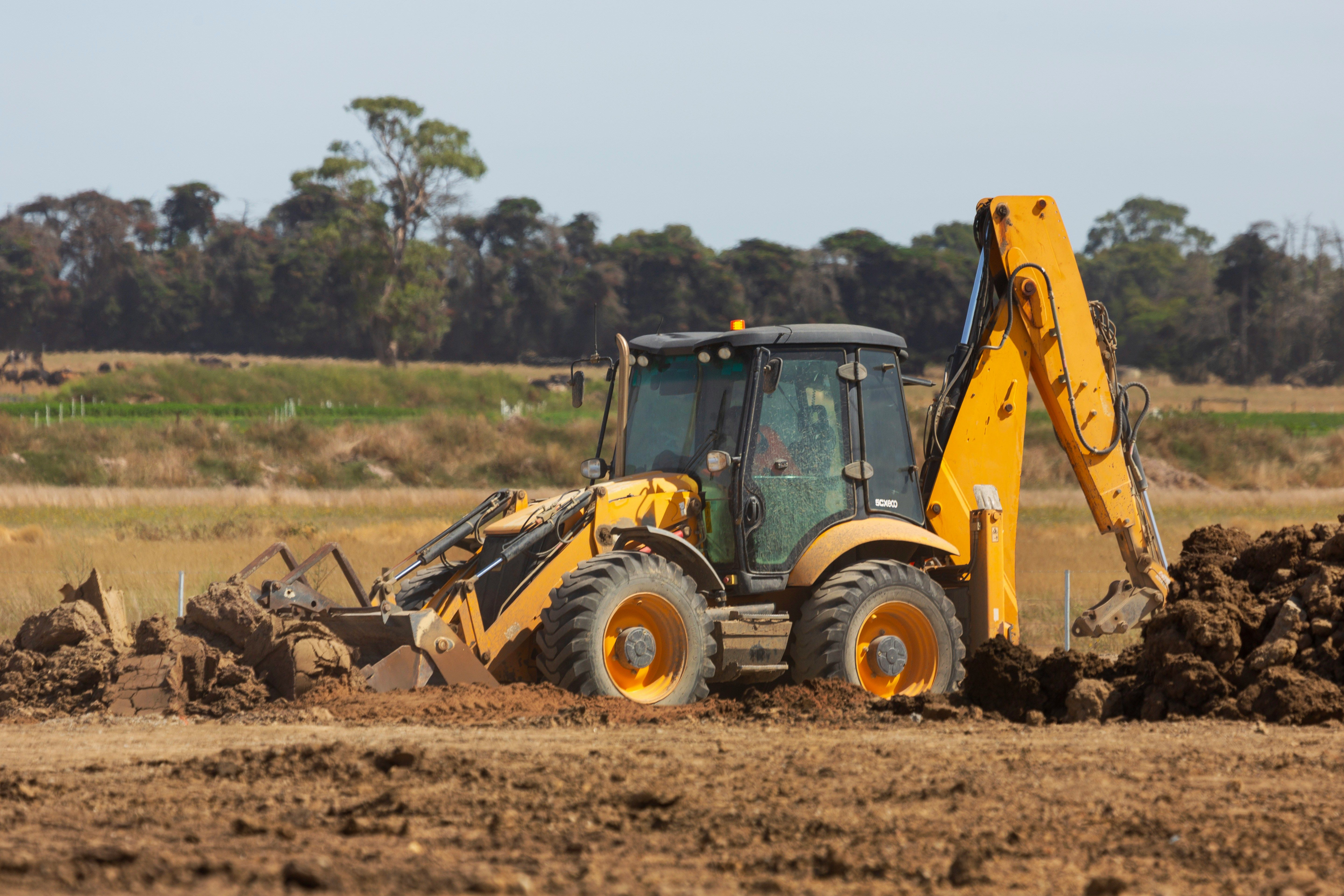
Excavators remain among the most versatile machines for this phase. Contractors evaluating equipment options can review the benefits of excavator rentals in Georgia when planning excavation work.
For projects with limited access or confined spaces, compact equipment often delivers better efficiency. The comparison outlined in mini excavators for Georgia compact vs. standard helps contractors determine the best solution for their specific site conditions.
Proper excavation scheduling is critical because delays at this stage can affect every subsequent project phase.
Utility Installation
Utility installation often requires a combination of excavation equipment, compact machinery, and specialized attachments. Water lines, sewer systems, electrical conduits, and communication infrastructure all require precision work.
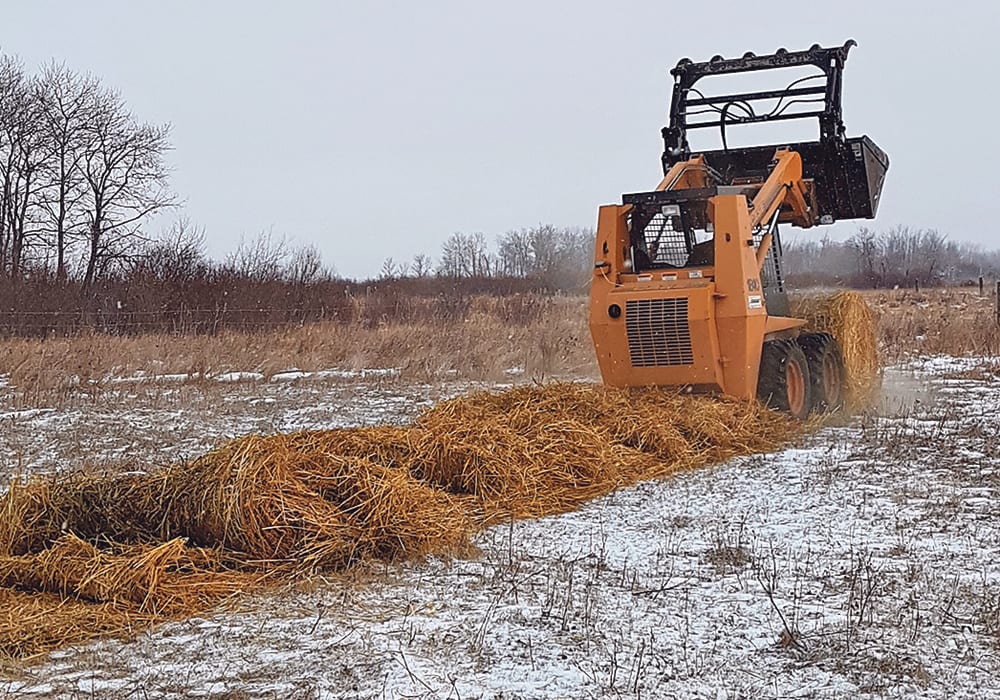
Skid steers have become valuable assets during utility installation because of their versatility and compatibility with multiple attachments. Contractors can maximize machine productivity by utilizing recommendations from 5 must-have skid steer attachments for construction professionals .
The ability to switch between attachments allows crews to complete multiple tasks using a single machine, reducing equipment transportation costs and improving jobsite efficiency.
Structural Construction Support
As structures begin to rise, equipment requirements shift again. Material handling becomes increasingly important, requiring equipment capable of lifting and transporting construction materials safely and efficiently.
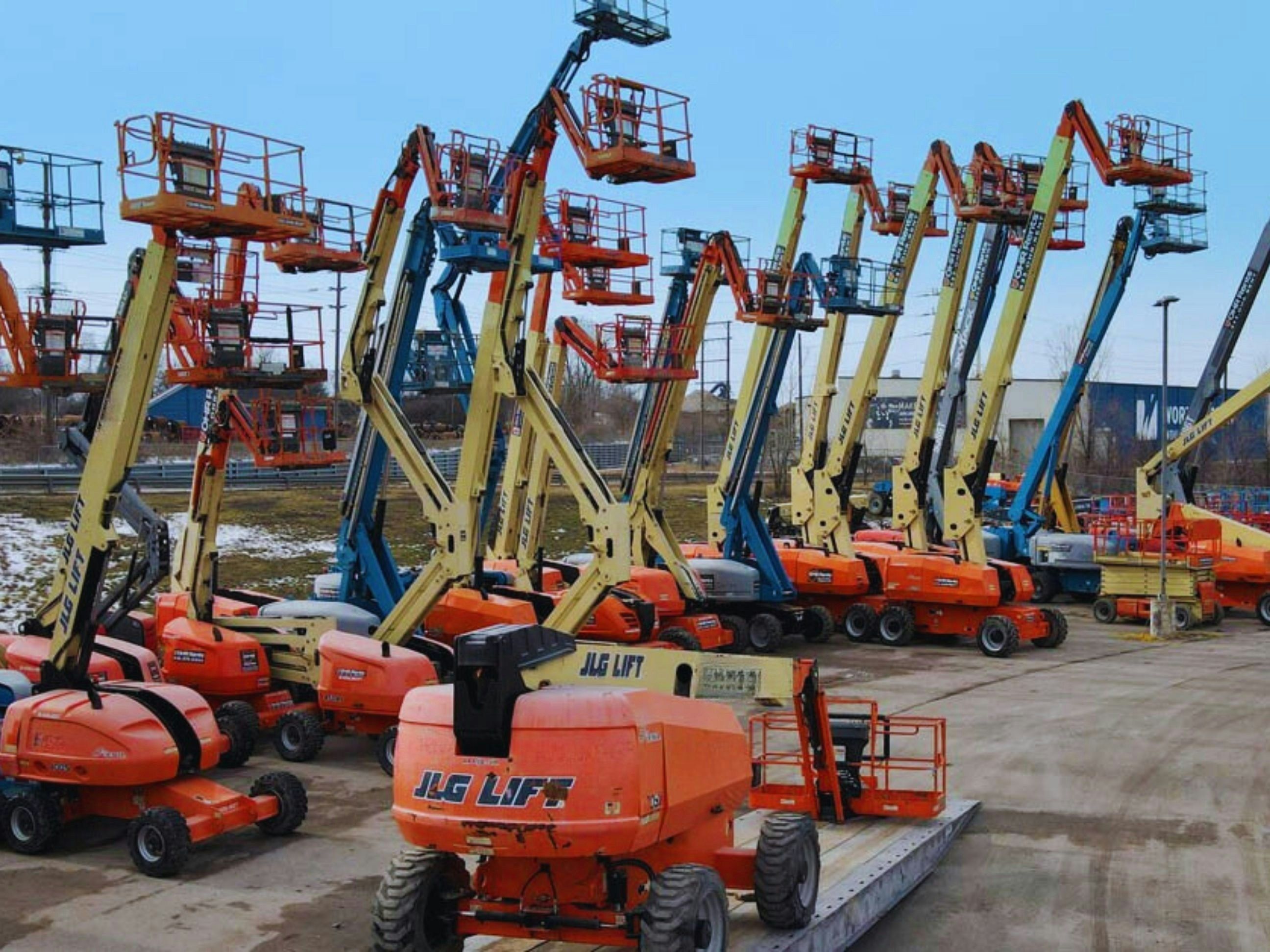
Telehandlers have become a preferred solution for many contractors due to their reach, lifting capacity, and versatility. Project managers can learn more about their advantages through top telehandler uses for construction sites.
Having access to telehandlers during structural construction helps:
- Improve material movement
- Reduce labor requirements
- Increase jobsite safety
- Accelerate project timelines
Equipment rental allows contractors to access telehandlers only when needed, eliminating unnecessary ownership costs.
Final Grading and Site Finishing
The final stages of construction often involve grading, landscaping preparation, drainage adjustments, and site cleanup. These tasks typically require different equipment than earlier project phases.
Skid steers, compact loaders, and grading attachments become valuable during this period. Contractors who strategically schedule equipment rentals can transition smoothly between project phases without maintaining a large fleet of underutilized machinery.
This flexibility is one reason many companies choose heavy equipment rental instead of purchasing equipment .
Reducing Downtime Through Better Rental Planning
Downtime is one of the most expensive challenges facing construction projects. Equipment failures, maintenance issues, and scheduling conflicts can significantly impact productivity.
Rental planning helps minimize these risks by ensuring equipment availability throughout the project lifecycle.
Contractors should also implement best practices discussed in preventative maintenance strategies for heavy equipment downtime reduction .
Combining proactive maintenance with strategic rentals creates a more reliable equipment management system that supports project schedules.
Managing Seasonal Demand and Equipment Availability
Construction activity often fluctuates throughout the year. During peak seasons, equipment demand can increase significantly, making early planning essential.
By working with experienced rental providers, contractors can:
- Reserve equipment in advance
- Secure specialized machinery
- Avoid project delays
- Maintain scheduling flexibility
Many companies throughout the region rely on equipment rental services across Georgia and Alabama to ensure equipment availability during high-demand periods.
Improving Jobsite Productivity
The right equipment rental strategy directly impacts productivity. When crews have access to properly sized and maintained equipment, tasks are completed faster and more efficiently.
Contractors looking to increase operational efficiency should review techniques outlined in rental strategies that reduce jobsite downtime .
Improved productivity often leads to:
- Lower labor costs
- Faster project completion
- Increased profitability
- Better client satisfaction
These advantages become even more significant on large multi-phase projects.
The Value of Local Equipment Rental Support
One of the biggest benefits of partnering with a local rental provider is access to responsive support. Equipment issues occasionally arise despite careful planning, and rapid assistance can prevent minor problems from becoming major delays.
The benefits of local expertise are highlighted in how local equipment rental teams solve problems faster .
Local providers often offer:
- Faster equipment delivery
- Quicker replacements
- On-site support
- Regional project expertise
These services help contractors maintain project momentum when unexpected challenges occur.
Supporting Projects Throughout Georgia and Alabama
Construction projects throughout the Southeast face unique challenges, including varying terrain, weather conditions, and project requirements.
Working with providers experienced in the region allows contractors to access equipment suited for local conditions. Businesses operating throughout the area often benefit from resources discussed in:
- Equipment rental in West Georgia
- Heavy equipment rental in Georgia
- Heavy equipment rentals across Georgia
- Heavy equipment rental in Columbus, GA
- Equipment rental solutions in Georgia and Alabama
These regional resources help contractors identify equipment solutions tailored to local project demands.
Sustainability Benefits of Strategic Equipment Rentals
Modern construction companies increasingly prioritize sustainability and resource efficiency. Equipment rentals contribute to these goals by reducing unnecessary equipment ownership and maximizing machine utilization.
Rental programs help:
- Reduce idle equipment
- Lower resource consumption
- Improve fleet efficiency
- Support sustainable construction practices
Contractors interested in environmentally responsible operations can explore additional insights in <a href="https://liveoakequipment.com/blog/liveoak-equipment-rentals-support-sustainable-construction-practices">how equipment rentals support sustainable construction practices</a>.
Conclusion
Managing equipment effectively is one of the most important aspects of successful multi-phase construction projects. From site preparation and excavation to utility installation, structural support, and final grading, every phase requires specific machinery and careful planning.
A strategic equipment rental approach allows contractors to access the right equipment at the right time while minimizing costs, reducing downtime, and improving productivity. By combining proper planning, local support, and flexible rental solutions, construction companies can keep projects on schedule and maintain a competitive advantage.
For contractors throughout Georgia and Alabama, equipment rentals continue to provide the flexibility, efficiency, and reliability needed to successfully complete today's complex construction projects.